Back in 2014 when I started consulting with businesses, every meeting began with the same anxious question: “Where should I actually spend my marketing money?”
Fast forward to 2026, and business owners still lose sleep over the same issue—only now the debate has evolved into performance marketing vs digital marketing and which one delivers better ROI.
Table of Contents
ToggleIntroduction to Performance Marketing and Digital Marketing
Digital marketing is an umbrella term that includes everything you do online to attract customers. Your website, SEO, Instagram posts, YouTube videos, email newsletters, and brand content—all fall under digital marketing.
Performance marketing is a subset of digital marketing. It focuses strictly on measurable actions. You pay only when a specific result happens, such as a click, lead, app install, or sale. No action means no payment.
This difference in structure is what makes the ROI conversation so confusing—and so important.
What Is Performance Marketing and How Does It Generate Measurable ROI?
Performance marketing is based on one simple rule: you pay only for results. Businesses decide in advance what action matters most—clicks, leads, calls, or purchases—and campaigns are optimized only for those outcomes.
Platforms like Google Ads and Meta Ads operate on this model. If someone clicks your ad, you pay. If no one clicks, you don’t spend anything. Affiliate marketing takes this even further by paying commissions only after actual sales occur.
The biggest advantage of performance marketing is clear ROI tracking. If you spend ₹10,000 and generate ₹15,000 in sales, the ROI is immediately visible. This clarity gives business owners confidence and control over their budgets.
However, performance marketing mainly tracks short-term actions. Customers may see your ad today and convert days later through another channel, which can make attribution imperfect.
What Is Digital Marketing and How Is ROI Measured?
Digital marketing is built around long-term value creation rather than chasing quick, one-time transactions. Instead of focusing only on immediate sales, digital marketing uses SEO, content marketing, social media, email marketing, and branding to slowly build trust, visibility, and authority. Over time, these channels work together to position a business as reliable and recognizable in the minds of its audience.
The ROI in digital marketing is measured differently from short-term strategies. Rather than instant conversions, digital marketing ROI is tracked through organic traffic growth, audience engagement, lead quality, customer lifetime value, and brand recall. Because of this, results do not appear overnight—but they tend to last much longer.
In real-world digital marketing campaigns, we’ve seen businesses struggle for months with slow growth before organic traffic suddenly starts rising. Once that momentum kicks in, digital marketing begins delivering steady, high-quality leads without the pressure of continuous ad spend. This is where digital marketing truly shines, offering exceptional long-term ROI that compounds over time.
The biggest challenge with digital marketing is patience. It requires an upfront investment of time, effort, and consistency before results become visible. However, once digital marketing starts working, its impact grows stronger month after month—often outperforming short-term strategies in the long run.
Performance Marketing vs Digital Marketing: Key Differences
The most noticeable difference is timing. Performance marketing delivers fast results, often within days. Digital marketing builds slowly but creates lasting assets.
Cost structure is another major distinction. Performance marketing requires continuous spending to maintain results. Digital marketing involves upfront investment, after which costs reduce over time.
Customer intent also differs. Performance marketing captures buyers who are ready to purchase immediately. Digital marketing attracts users earlier in their decision journey and nurtures trust over time.
Why Performance Marketing Is Considered an ROI-Driven Strategy
Performance marketing is popular because it offers accountability. Every rupee spent is tied to a measurable outcome. Dashboards show real-time data, making it easy to calculate cost per lead, cost per sale, and return on ad spend.
Rapid testing is another advantage. Marketers can test multiple creatives, audiences, and offers simultaneously, then scale what works and pause what doesn’t.
With AI-powered bidding and targeting in 2026, platforms now optimize campaigns automatically, improving ROI without constant manual adjustments.
Long-Term vs Short-Term ROI: Which Strategy Wins?
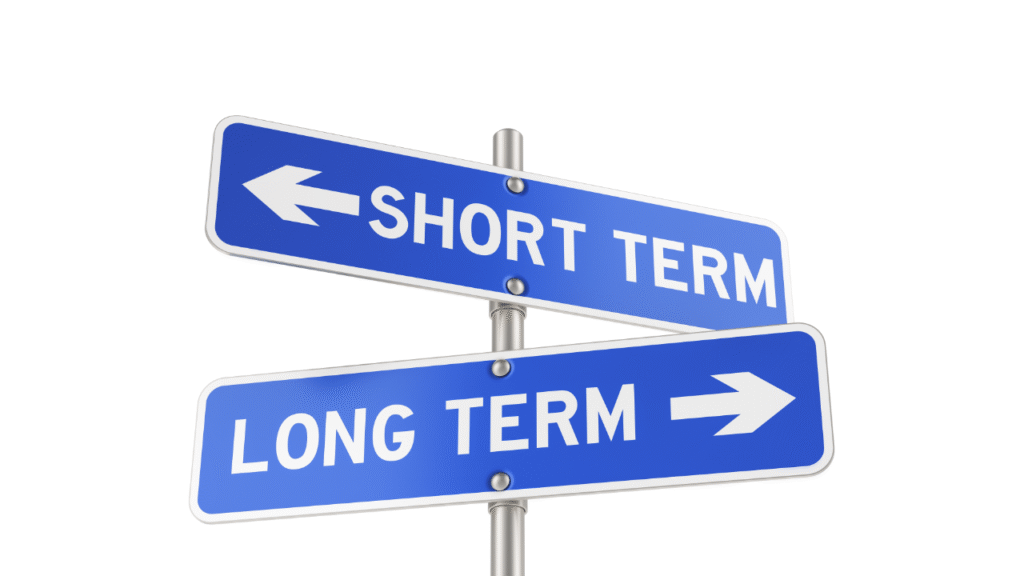
If you need sales immediately, performance marketing is the faster solution. You can launch campaigns today and generate leads within hours.
But the moment ads stop, traffic stops too. Digital marketing works differently. Content, SEO, and email lists continue to generate results long after the initial investment.
The smartest approach is balance. Use performance marketing for immediate revenue while building digital marketing assets for sustainable growth.
Cost Efficiency Comparison: Performance Marketing vs Digital Marketing
Performance marketing costs are transparent but tend to increase over time due to competition. Cost per click and cost per lead often rise as more advertisers enter the market.
Digital marketing becomes more cost-efficient over time. A blog post or SEO page continues to attract traffic for years, reducing the cost per lead month after month.
Businesses with high margins often benefit more from performance marketing, while businesses focused on long-term authority and trust gain more from digital marketing.
Performance Marketing vs SEO and Social Media ROI
SEO typically delivers the highest long-term ROI. Once rankings are achieved, traffic is essentially free and highly trusted by users.
Organic social media builds relationships and brand loyalty but usually provides indirect ROI. Paid social media, however, functions as performance marketing with clear tracking and faster results.
The strongest strategies combine SEO, organic social media, and paid ads to support each other across the customer journey.
How AI Is Changing Marketing ROI in 2026
AI has transformed marketing efficiency. Automated bidding improves ad performance. Predictive analytics forecast ROI before campaigns launch. AI-driven personalization increases conversion rates across email, websites, and ads.
Content creation tools accelerate production, but human expertise remains critical for differentiation and trust. Businesses that combine AI with real-world experience achieve the best ROI.
Which Marketing Strategy Is Better for Small Businesses and Startups?
Startups usually benefit from performance marketing early on to validate demand and generate cash flow. At the same time, they should begin building websites, SEO foundations, and email lists immediately.
Small businesses with established offerings should focus more on digital marketing to reduce dependency on paid ads and build brand equity.
Local businesses gain exceptional ROI from local SEO and community-focused digital marketing strategies.
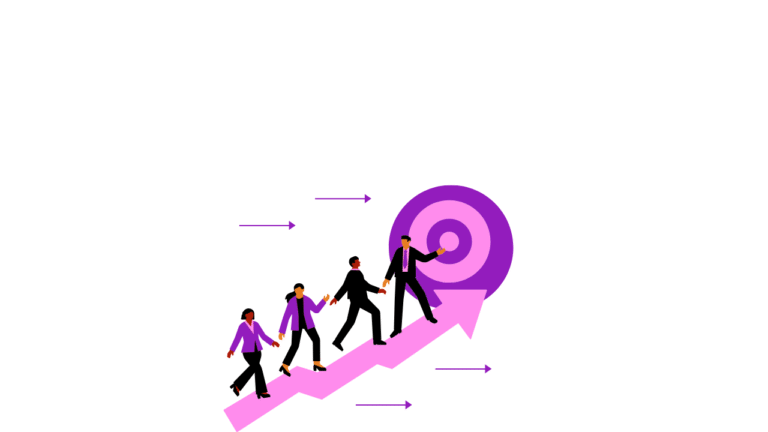
Final Verdict: Performance Marketing vs Digital Marketing
There is no clear winner. Performance marketing delivers speed, control, and measurable ROI. Digital marketing builds long-term assets, trust, and sustainability.
The highest-performing businesses combine both strategies intelligently rather than choosing one.
Conclusion
Performance marketing and digital marketing play different roles at different stages of business growth, and brands that understand this balance almost always outperform their competitors. Through real-world experience and industry exposure at ASDM, we’ve seen that combining short-term performance wins with strong digital marketing foundations creates sustainable ROI over time.
At tamannajain.com, strategies are designed to deliver immediate, measurable results while still building long-term digital marketing value—something emphasized strongly in practical learning environments like ASDM. If you’re tired of guessing where your money should go, a professional audit can clearly show which digital marketing channels are actually contributing to ROI and which ones need improvement.
Want to grow smarter in 2026 instead of spending blindly? Connect with tamannajain.com and let’s build a digital marketing strategy that, as taught at ASDM, doesn’t just look good on reports—but genuinely pays you back.
Frequently Asked Questions
Performance marketing often delivers faster and more clearly measurable ROI because you pay only for actions like clicks, leads, or sales. However, digital marketing can outperform performance marketing in the long run by building assets such as SEO content, brand authority, and email lists that generate ongoing returns without recurring ad spend. The better option depends on your timeline and goals.
Digital marketing ROI usually takes time. SEO and content marketing may take 3 to 6 months to show visible results and up to a year for strong returns. While the initial phase feels slow, the long-term ROI often becomes higher than paid ads because traffic and leads continue without additional costs.
Yes, performance marketing is often ideal for small businesses because budgets can be tightly controlled. You can start with small daily spends and track results immediately. However, rising ad competition can increase costs over time, so combining performance marketing with organic digital marketing helps maintain profitability and reduce long-term dependence on ads.
Startups benefit most from a hybrid approach. Performance marketing helps validate the product quickly and generate early revenue, while digital marketing builds trust, authority, and long-term visibility. Relying only on one strategy can be risky. A balanced mix ensures both short-term traction and sustainable growth.
Digital marketing ROI is measured using multiple metrics such as organic traffic growth, conversion rates, customer lifetime value, email engagement, and assisted conversions. Unlike performance marketing, results come from multiple touchpoints over time. Tracking tools like Google Analytics, Search Console, and CRM systems help connect long-term efforts to actual revenue.