Table of Contents
ToggleWhat is WhatsApp Marketing Strategy for Small Business
WhatsApp is not just another marketing channel. It’s a personal communication space. That’s what makes it powerful — and dangerous if misused.
WhatsApp messages have an open rate of around 95–98%. Compare that with email, where many businesses struggle to get even 20% open rates. This gap is massive. It means your message is actually being seen.
But here’s the important part: WhatsApp is not built for spam.
Businesses that treat WhatsApp like an email blast tool often get blocked, reported, or permanently banned. WhatsApp has strict policies, and customers have zero tolerance for annoying messages. Respect matters here.
we’ve worked with over 150 small businesses using WhatsApp marketing. Most of them reduced their overall marketing costs by 40–60% while improving sales and customer relationships. The reason is simple — WhatsApp feels human, not promotional.
What WhatsApp Marketing Actually Is
WhatsApp marketing is simply using WhatsApp to communicate with customers, answer questions, share updates, and build real relationships. There’s no complexity. That simplicity is the biggest reason it works.
Think about your own behavior. When a WhatsApp notification pops up, you check it immediately. Emails can wait. Instagram posts get scrolled past. WhatsApp demands attention.
For small businesses, this is gold. You are meeting customers where they are already comfortable and active.
There are two ways to use WhatsApp for business. One is the free WhatsApp Business app. The other is the WhatsApp Business API.
For most small businesses, the free app is more than enough. You get a professional profile, product catalog, automated greetings, quick replies, and labels to manage chats. It covers almost everything you need to start.
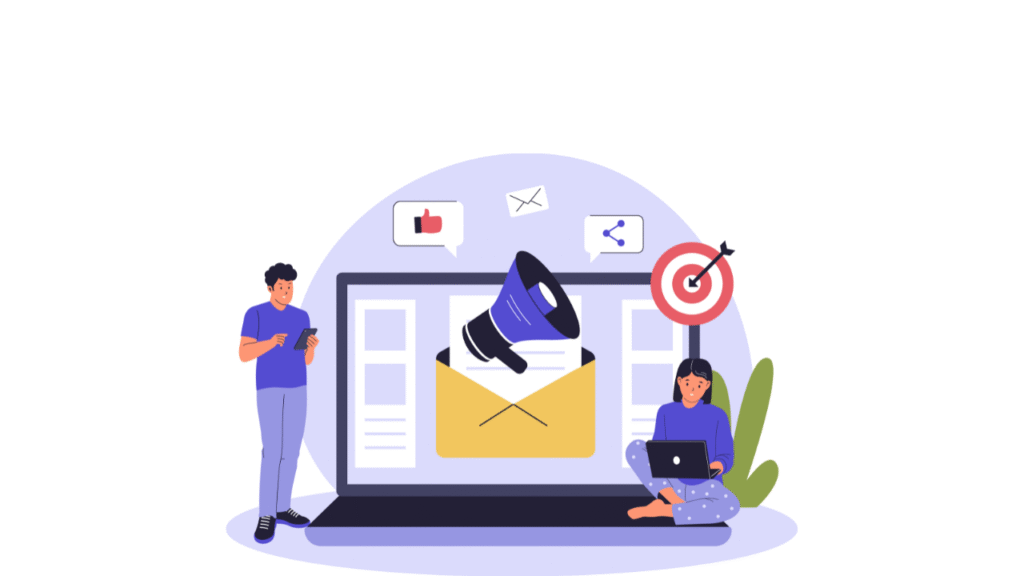
How WhatsApp Marketing Helps Small Businesses Grow
Real WhatsApp marketing is not about promotions. It’s about conversations.
Everything starts with permission. Customers must willingly share their number and agree to receive messages. Without consent, you’re not marketing — you’re spamming.
Once a customer messages you, the experience should feel natural. They ask a question, you reply quickly, share photos, videos, or details, and help them decide. It doesn’t feel like marketing. It feels like good service.
We helped a local plumbing and electrical service provider who constantly missed calls. Customers would call once and then move on to another number. By setting up WhatsApp with automated replies, customers instantly knew when they’d get a response. His missed leads dropped by nearly 70%.
Broadcast messages can work when used correctly. One helpful broadcast per week is effective. Daily promotional messages are not. Restaurants, salons, and service businesses perform best when they stay consistent but respectful.
WhatsApp Status is another underrated feature. It works like Instagram Stories and is perfect for daily offers, behind-the-scenes updates, and quick announcements without interrupting private chats.
WhatsApp Business App vs WhatsApp Business API
For most small businesses, the regular WhatsApp Business app is the best place to start, and this is something any experienced digital marketing agency would recommend. It’s free, easy to set up, and powerful enough for handling everyday customer conversations without any complexity.
However, as a business grows, certain limitations start to show. Managing chats across multiple devices becomes difficult, automation options remain limited, and handling high message volumes can quickly turn overwhelming. This is usually the stage where a digital marketing agency begins to evaluate whether a more scalable solution is needed.
That’s where the WhatsApp Business API comes in. From a digital marketing agency perspective, it enables advanced automation, chatbots, CRM integrations, order tracking, analytics, and allows multiple team members to manage conversations simultaneously—making it ideal for growing brands.
The only downside is cost. There are setup fees and ongoing monthly charges, which is why most digital marketing agencies advise businesses to start with the free app and upgrade only when message volume and operational needs genuinely justify the investment.
WhatsApp Marketing Strategies That Are Working Right Now
Customers respond better when businesses remember past orders, suggest relevant products, and communicate like real people. Exclusive WhatsApp-only offers, order updates, appointment reminders, and helpful tips consistently perform well.
We’ve seen jewelry brands sending anniversary reminders, bakeries sharing early morning baking videos, and plant nurseries sending seasonal care tips. These small, thoughtful actions build strong emotional connections and repeat customers.
How to Build a WhatsApp Contact List the Right Way
Permission is everything.
Never message someone who hasn’t explicitly agreed to hear from you. The safest ways to collect contacts are through your website, social media, in-store visits, QR codes, and click-to-WhatsApp ads.
Always be transparent about what kind of messages you’ll send and how often. Trust begins with honesty.
Quality beats quantity by a huge margin. A small list of genuinely interested contacts will outperform a large list of random numbers every single time.
Buying contact lists is the fastest way to get your WhatsApp account banned. Avoid it completely.
How to Track WhatsApp Marketing Results
You don’t need complex dashboards to see results.
Pay attention to message read rates, replies, conversions, and actual revenue coming from WhatsApp conversations. Most businesses notice higher engagement and lower customer acquisition costs compared to email and paid ads.
If conversations are turning into sales, bookings, or repeat orders, it’s working.
WhatsApp Marketing Tips That Actually Matter
Start small and simple. Set up the app, talk to a few customers, and learn from real conversations.
Speed matters on WhatsApp. If you can’t reply immediately, use auto-messages to manage expectations.
Every message should offer value. Helpful information always outperforms aggressive selling.
Automate smartly. Use automation for greetings and FAQs, but keep human responses where trust matters.
Avoid over-messaging. One or two messages per week is usually enough.
Write like you speak. WhatsApp is informal by nature. Corporate language kills engagement.
Track what works and double down on it.
Common WhatsApp Marketing Mistakes to Avoid
Messaging without permission often leads to account bans.
Sending too many messages irritates even loyal customers.
Ignoring replies breaks trust instantly.
Being overly sales-focused pushes people away.
Having no content plan results in random, ineffective messages.
Only using text limits engagement. Images, videos, voice notes, and documents perform far better.

Real Results from Small Businesses Using WhatsApp
A home decor store reduced customer acquisition costs by 55% after switching from Facebook ads to WhatsApp.
A salon increased repeat bookings by 40% using WhatsApp appointment reminders.
A grocery delivery business cut support costs in half by handling queries on WhatsApp.
A fitness coach filled all training slots through WhatsApp without spending on ads.
These results are common when WhatsApp is used correctly.
Is WhatsApp Marketing Worth It in 2026?
WhatsApp marketing isn’t complicated—it’s simply a better, more human way to communicate with customers. Small businesses that succeed on WhatsApp focus on permission, value, speed, and authenticity. Instead of pushing promotions, they build real relationships, a principle often highlighted in practical digital marketing discussions at ASDM.
If you’re just starting out, don’t overthink it. Set up WhatsApp Business today, start real conversations, and pay attention to how your customers respond. Over time, as taught through hands-on learning at ASDM, WhatsApp can easily become one of your most powerful and cost-effective marketing channels.
We’ve seen this work again and again. The opportunity with WhatsApp marketing in 2026 is real, and the results are proven. The only real question is whether you start now—or allow your competitors to build those customer relationships first.
Stop overthinking. Just start.
Frequently Asked Questions
WhatsApp Business is a free app designed for small businesses to manage chats, catalogs, and quick replies. The WhatsApp Business API is meant for scaling businesses that need automation, chatbots, CRM integration, and multiple agents. Most small businesses should start with the free app and upgrade only when message volume increases.
WhatsApp marketing increases sales by enabling real-time conversations, faster responses, and personalized recommendations. Customers can ask questions, view product photos, and place orders instantly. This reduces friction and builds trust, which significantly improves conversion rates compared to ads or email-based marketing channels.
Small businesses should usually send one to two WhatsApp messages per week. This keeps engagement high without annoying customers. Over-messaging leads to blocks and opt-outs. Each message should provide value, such as updates, reminders, or helpful information, rather than constant promotions.
Success in WhatsApp marketing is measured through message read rates, response rates, conversions, repeat purchases, and revenue generated from chats. High engagement and customer replies matter more than list size. Tracking actual sales and customer interactions helps determine whether WhatsApp is improving business growth.
Yes, WhatsApp marketing is extremely effective for small businesses in 2026 because customers actively use the platform daily. Messages are opened almost instantly, making communication faster and more personal than email or SMS. When businesses focus on permission-based conversations instead of promotions, WhatsApp delivers higher engagement, better trust, and lower customer acquisition costs.